
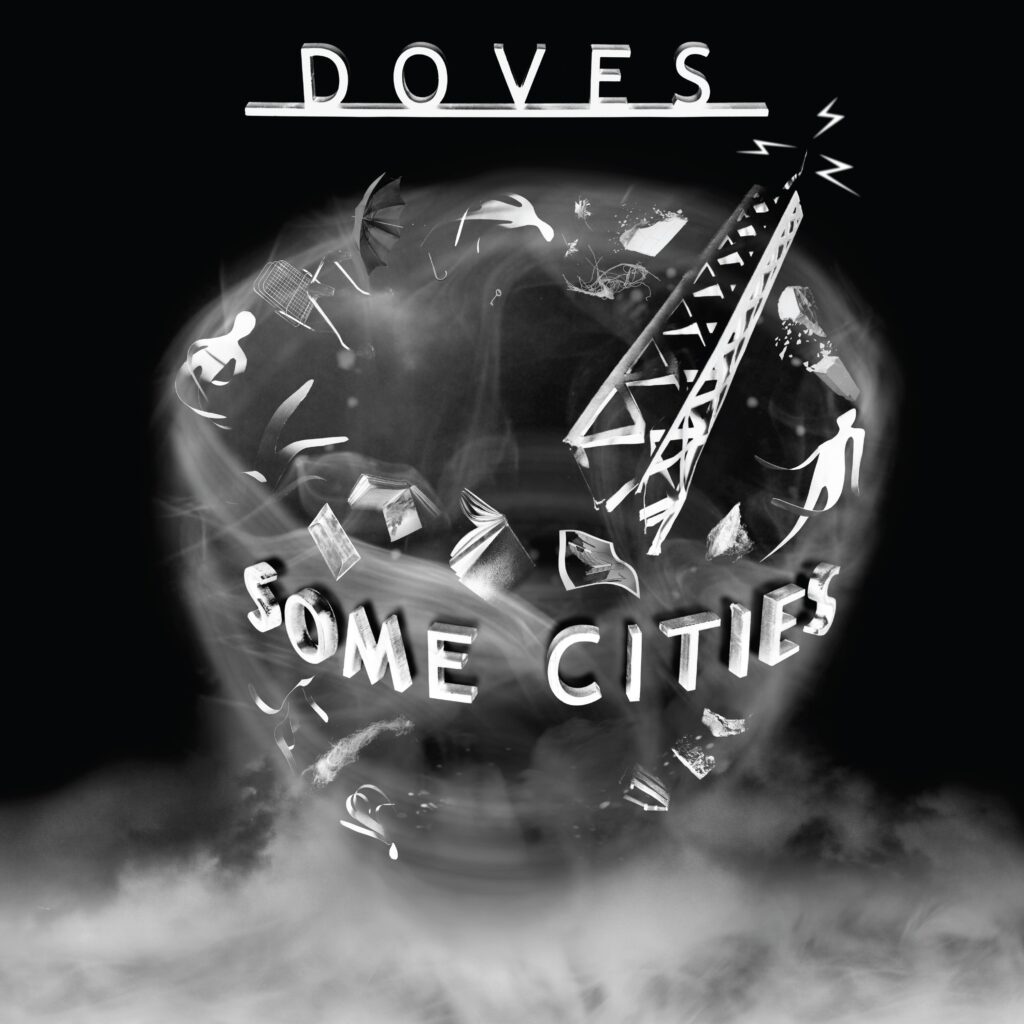
Doves’ third album Some Cities was released on February 21st, 2005. The album reached number one on the UK album chart with 59,819 sales. This article pieces together interviews the band did back in 2005 and more recently in November 2025, when Andy & Jez spoke to me about how Some Cities came to be. As well as asking them about the album tracks, I also asked them about some of the tracks that didn’t make it onto the album.
How we made Some Cities:
Andy: We took a month off after touring The Last Broadcast. We then spent 9 months writing the album before starting to record.
Jimi: We always have a meeting before starting an album, and we discuss where we think the new one might go. We’ve always talked about doing a really concise 10-track, 40-minute album. We’ve been accused in the past of being a band with all these grandeur bells and whistles, which I never got. This time, though, the album turned out just like we imagined it would.
On the aborted sessions with William Orbit at Grouse Lodge Studios, Rosemount, County Westmeath, Ireland:
Jimi: Jeff Barrett from our label, Heavenly, suggested we work with William Orbit, and we were fine with that. We’re always up for trying new stuff. But I think we expected too much from him. He was happy just to be in the studio with us because he hadn’t worked with a band since Blur. His point was that he was recording what he was hearing. He wasn’t doing anything that we wouldn’t do ourselves normally, and we put a lot of pressure on him, almost to subvert us. He’s a top guy, but it just didn’t work.
I wouldn’t like people to think that we’re set in our ways or stagnating as a band. I think we had hoped to reinvent ourselves with this album, which is why we were so open to working with William, but, in the end, it’s still us three just doing it.
Jez: William Orbit is a really top guy. It just didn’t work out. He wanted to capture us playing as a band. While we wanted to capture William Orbit’s amazing electronic skills but the two never met.
Andy: We had a great time in Ireland!
Jez: Too much of a great time! There was a pub attached to the studio where you could pour your own drinks.
Andy: What we didn’t know was that they were keeping tabs on how much we were drinking. The bar bill was insane! The label wasn’t too happy when we got back from Ireland with nothing to show for it.
Jez: It was a colossal waste of money. For instance, that Irish recording session that amounted to nothing we could use on the album cost three times more than what it cost us to make our last album, Constellations For The Lonely. They were hedonistic days.
Andy: It was a different time in the music industry. The label would think nothing of spending £100k on a music video.
On working with Ben Hillier
Jez: We were eying him up for The Last Broadcast, but he was unavailable.
Andy: The last two records we pretty much produced ourselves, bar a couple of songs we did with Steve Osbourne. We asked ourselves with this album, “What are we going to do different?” and we thought we’ve never worked with a producer before ever on a whole album.
Jez: We valued his opinion, so whenever we got stuck or were indecisive, he would bring an objective point of view.
Andy: He’s really into getting bands to play live. With The Last Broadcast, it was very much a studio album and very controlled, whereas this was really just a band in a room sweating it out, really trying to capture the moment.
Jez: It was an extension of the demos, really. The demos were just played, banging down onto a porta-studio as quickly as we could, and they had a real ‘playing’ feel to them, and Ben really helped bring that out. We didn’t want to piss around too much with samples and electronics, this time. It was more about capturing the heart of the songs.
Andy: We started the album in a rehearsal studio in Ancoats, Manchester, but there were too many distractions in Manchester. So we decamped to various cottages outside the city. Then we went to Snowdonia. We started in Brixton, then Liverpool Parr Street studios, then 7 weeks in Scotland in an old school house in Fort Augustus. It was important to get away from home, no distractions, so we could concentrate on the music. Not worrying about having to pay the gas bill! We’ve all got our own set-ups at home, and we all write at home. Jez might have a guitar part, or I might have a lyric, or Jimi might have a MIDI part. And then we all go off somewhere to work on each other’s ideas and collectively work on the songs.
Andy: Some Cities is our most direct record to date.
Jez: We’re not very good at writing on the road. We also spent some time in Wales, the Peak District, all over really. We get bored if we stay in one place for a long time. We’ve done all the bunker-style recording before, and also, if you’re on a tour bus for a long time, the idea of going to a residential-type studio is just horrifying. The last thing you want to do is go from a bus to a residential studio for a block of three months. The most productive we are is when we can’t get a phone signal. No phone ringing, or knocks on the door. There was a local pub; you’ve got to have some sanity. Ben Hillier suggested this disused school in Fort Augustus in Scotland. It was near Loch Ness, so there was a lot of atmosphere there that really helped and probably seeped into the recordings.
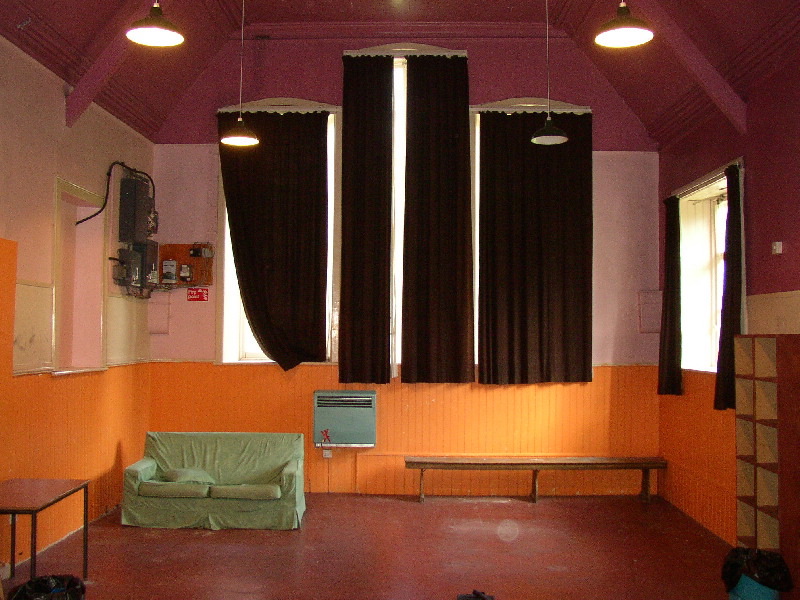
Andy: We were initially a bit skeptical of going up to Scotland, but Ben convinced us, thank god he did. We had been recording at Parr Street studios in Liverpool, and to be honest, there were a lot of distractions that we needed to get away from.
Jez: Mainly, Ian McCulloch!
Andy: and Ian McNabb! All the scouse musicians were kicking around. There was a bar upstairs in the studio. So a lot of fun. But yeah, we needed something different.
Jimi: I enjoyed the whole process of this album. I wasn’t aware of any pressure or worry about where we should go next with the music. There are always tough days and doubt, and just having to work, and that creative routine helped me through a very difficult time in my personal life. This album got me through. I’d describe the album as taut and focused.
Andy: It’s our most stripped-down record to date. We always want to make interesting-sounding records. We’ll always have weird shit bubbling under our songs on this album; we’ve gone quite strange. We’re a rock band with an experimental attitude.
Jimi: It’s us as adults observing the changes in Manchester. Every time we come back from touring, we see a lot of changes. Some good, some bad. Bad refers to unscrupulous developers who squash a building in, and a morally bankrupt system where buildings are demolished without public debate.
Jez: It’s a shame not to keep our buildings. The Free Trade Hall was built to commemorate the Peterloo Massacre, and now it’s literally just a facade.
The album is influenced musically by records as diverse as The Kinks’ Village Green Preservation Society, album. We had no specific agenda apart from making it different from the last two albums. More direct, we played live more, tried harder to bash it out, and did not labor over it. I mean, the first album was two and a half years in the making, and we couldn’t afford to do that again.
Andy: It’s a product of Northern England because that’s where we’re from. But we’re not part of any scene. We’re a band from Manchester, not a Manchester band.
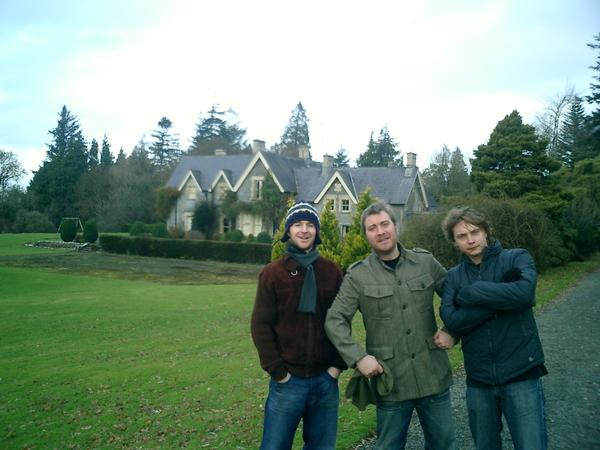
Some Cities Track by track album guide
Some Cities
Q Magazine: The moment in the opening title track when Jez’s burning guitar drill comes out of nowhere. Andy’s relentless drums and the occasional spine-tingling, echoing celestial choir fading in and out like a radio transmission from the moon, and then the rumbling boom of Jimi’s bass. Above it all, Jimi’s vocal evokes a sense of yearning & loss and a thousand nicotine-soaked afternoons spent staring out of a window trying to figure it all out. It takes a few good listens of the album before the true wonder of Some Cities starts revealing itself.
Andy: This was written in one of our favourite holiday cottages in the Peak District. It’s a real patchwork of a song, pieced together; it really encapsulates the whole record.
Jez: This was us commenting on how the Manchester landscape has changed every time we’re back from touring. All these buildings are getting pulled down, and crap new flats are getting put up in their place. Some Cities are pulling down beautiful, really beautiful old buildings for crap flats. It’s a frustration with that.
Black and White Town
Andy: It’s our fastest song to date. It’s like when we were recording it, we were like “is this Doves?” – and that’s always a good sign. Lyrically, it’s about being 15 or 16, wondering when your life’s gonna start, the romance of looking at the big city, feeling like everyone else is having a good time – that naivety, something that kids in small towns understand firsthand. Our teenage years were spent hanging off the youth club roof, getting people to buy us a big can of Fosters, and being a pain in the arse at the bus stops.
Jimi: None of us were real bad boys. We grew up with pretty rough kids. I dabbed my toe in, but never really went down that road. Andy & Jez see their early teenage years as a reaction to their parents’ divorce. They were psychopaths at 10 years of age, with a fetish for buildings and matches.
Jez: We were little shits! Initially, I thought we may have to put out Black and White Town out as a side-project, because it just wasn’t Doves. The actual title is about growing up in a small town and seeing the city on a broken black-and-white TV.
Andy: It’s more anger than nostalgia.
Jez, on the comparisons with Martha Reeves’ Motown classic ‘Heatwave’: We just went with it. We’re always dropping a lot of northern soul into our music. We did a spot of DJing after we got back from touring the last album (The Last Broadcast), playing a lot of northern soul, and maybe that’s how it worked its way into the music. That track was a tough one to get right. We had so many attempts at it. The version we did with William Orbit was too band-like, whereas I wanted a mesh of ‘band-like’ and northern soul with something like The Chemical Brothers. We struggled for a while trying to find that sweet spot with it. We knew we had a great song, so we stuck with it, and eventually the time spent paid off. We used a lot of the original demo and pieced the track together from the various sessions we did. Andy drummed over the demo, which really anchored the track, and from that point, we added the various parts like a jigsaw puzzle.
Andy: With the lyrics, we wanted to attempt to do something like a traditional British single, like The Jam’s ‘A Town Called Malice’. Listening back to it, I think we captured what we were looking for at that time.
Jimi: Could we only exist coming from the North of England?
Jez: When you’re in the band, you’re not seeing the same things that outsiders see.
Jimi: I guess something about Manchester is that all these diverse bands have always had a love of black music, a clear influence.
Andy: We love the Smiths, New Order, and all those great bands. But the world is a big place, and we listen to stuff from everywhere. Ennio Morricone is probably a bigger influence on me than New Order.
Jez: Absolutely!
Andy: Also, a massive shout-out to Lynne Ramsey for the video. That’s one of my favourite videos of ours. She captured the mood of the song. I’m not sure how much she enjoyed making the video, as she had a lot of interference from the label and various other things. So with that in mind, she did a great job with it.
Almost Forgot Myself
Andy: This is a key song. It’s very soulful and sets the album apart from the previous two, which is important to us. We want people to be surprised by our music.
Jez: It’s escapism, trying to lose yourself, forgetting about yourself for a brief hour or a minute. It’s a recurring theme in a lot of our music. You have to write about what you know. I think everyone needs to escape certain phases in their lives. It’s about trying to get to another place, somewhere better.
Snowden
Jez: We wrote that one in Snowdonia.
Andy: Yeah, then we recorded some of it in Parr Street, Liverpool
Doves named the track Snowden after the Welsh mountain. They decided to keep the incorrect spelling after Ian McCulloch pointed out their error.
Andy: He was like, “You thick Manc bastards can’t spell,” so we kept it like that to piss him off.
Jez: We wanted to do a weird 60’s musically sonic landscape to sound like early Marvin Gaye with early choral and strings and still be really edgy and menacing. It is our most sonically exciting song to date. It was very quick itself. Funnily enough, thinking about the time we wrote the track. The place we were staying in at Snowdonia was owned by a mate of ours. It was a bit rustic, shall we say. A really dilapidated place. It barely had any electricity.
Jimi’s bedroom, I swear, was properly haunted. He didn’t mind it at all. He was like, “Fuck it, I don’t mind a bit of that!” I thought “bloody hell”, yeah, it was a pretty sparse place to stay. Thinking back, it was good; we got Snowden out of that place. So it was worth it for that. We then worked on Snowden up in Scotland with Ben Hillier. Then, lastly, recorded the strings in London. We had a 50-piece orchestra record the strings, so you can imagine all the mics set up to record this massive sound. We thought it sounded too big. So what we did was we put a mic up against a speaker that would be no bigger than the stereo you have at home. That recording is what you hear on the record. We were into that lo-fi sound. We always love a sound that sounds a bit broken, out of tune (think of the riff on There Goes The Fear), we’re always looking for that, rather than a big posh like polished sound for our recordings. When a sound sounds like it shouldn’t really work, that’s what we find interesting.
We went back to Liverpool Parr studios to do more work on the track. Guy Garvey came in and did some lovely falsetto backing vocals. Again, these vocals ended up being recorded through another speaker on a synthesizer with a mic pointing to it – another use of the low-fi sound we love. We love downgrading the sound.
Andy: Another great lead vocal from Jimi. I think we all contributed to the lyrics separately. Lucky, it all fits together. Maybe more from Jimi, with some political content in there, with what was going on at the time in the world. Another jigsaw puzzle of a track musically and lyrically, but yeah, it fit together nicely once we finished it.
The Storm
Andy: I was watching the movie Snake Eyes one night. It’s a pretty bad film. I was thinking I wasn’t going to make it to the end of this. And then the music came on, and I thought, “I’ll have that”.
Jez: When Andy came in with the sample, we started to work a song around it. The sample made up the verse, and we added a chorus. We come from that sample culture. We use the sample just like playing a guitar. It’s just another way of getting a song. Some people slag it off and say it’s just sampling someone else’s work, but we took that sample and made it into something completely different. No different from picking up a guitar and knocking out a few chords. Technology is about reinventing things, too.
We’ve always had an interest in films. I’ve always been intrigued by David Lynch’s films and that style of production. We’ve always collected compilations of film music. This song came out of that. It’s our most filmic to date. It takes the sample from Snake Eyes, the Nicholas Cage film. A crap film! But the sample inspired us, as I mentioned. I guess the song is about someone going away for a long time, but people take very different interpretations of it, and I’m cool with that.
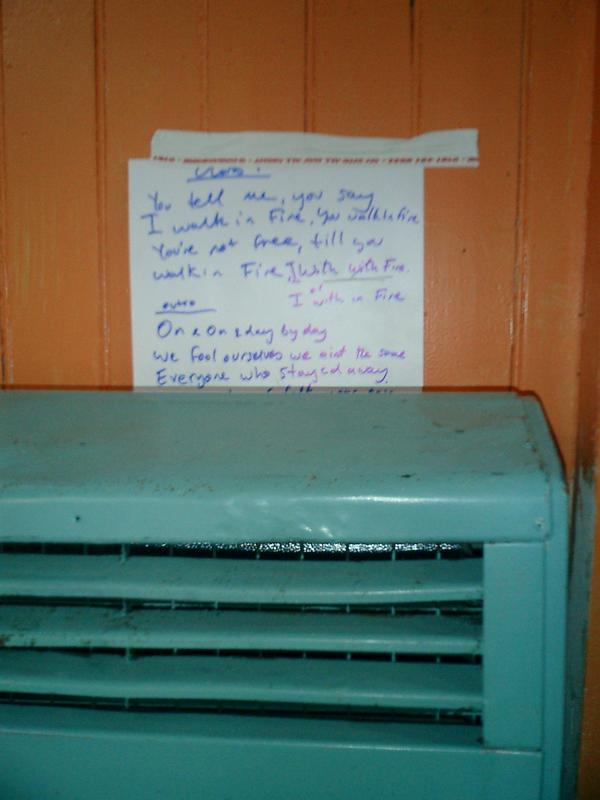
Walk in Fire
Andy: Picks up where There Goes The Fear left off. It’s got a country vibe. It concerns a mate of ours who went off the rails. The lyrics say it all, really.
Jez: The song is about understanding that and trying to reassure someone. If drink pulls you in, it can be hard to pull yourself out. Lyrically, we are more honest and open than we have been before. We’re getting, writing about things that affect us. But when you put it out there, you feel more exposed and vulnerable. It’s an interesting place to be.
Andy: I pushed for this one to be on the Best Of. I’m proud of that track, and I know it’s a fan’s favourite. One of the inspirations for the track was Elvis Presley’s ‘Suspicious Minds’.
Jez: I always think of it as the bastard child of There Goes The Fear. I loved the guitar on Suspicious Minds, that countryesque, Americana vibe.
Andy: The shuffly hi-hats
Jez: The sirens! It’s a great song. I love the lyrics, which Andy worked hard on.
Andy: The lyrics speak for themselves. I’m sure you can figure out what it’s about. Again, another great vocal performance from Jimi. We had fun recording this. The music is quite upbeat, whereas the lyrics narrate a dark story.
It’s a track you’ve never performed live.
Jez: Really?! Wow, yeah, I think you’re right. I don’t know why, to be honest. I guess it just never got suggested. We’d love to look at it at some point in the future.
Andy: There are some songs we haven’t performed live, and that’s because it takes us a while sometimes to work out how to play a song live. We’re not so lucky as some bands that can work out live tracks in half a day. For us, it takes a little longer. We do have to put in the hours in the rehearsal room. Not always, of course, some tracks came easier to play live than others. There are some tracks we’ve performed in rehearsal, and it’s just never worked out, so we wouldn’t play them at a gig. A track like Darker. We’ve attempted to play live a few times. I felt we never got any consistency with it, so we would take it out of the set.
One of These Days
Andy: This was written early doors. I spent a lot of time on the choruses. I wanted to get the impression that the chorus was almost like going underwater musically. It’s very hypnotic, almost psychedelic.
Jez: The verse is half film, and the chorus is about losing touch with your friends. The song came out of a driving, relentless beat. It happened very naturally. It’s one of the first songs that we wrote for the album.
Someday Soon
Andy: This is one of my favourites. Musically this was difficult to nail down. We recorded this in Parr Street, Liverpool, but we were being too meticulous. In the end, we recorded live and got that elusive X factor that we were looking for.
Jez: We wanted to do a vocal-led thing, and that’s our most complete song to date. We wanted to keep pushing ourselves and our arrangements, and that’s our most advanced songwriting to date. The way it twists and turns. The song, again, is about reassurance. There’s always hope in our songs. It’s my favourite track on the album. There’s a lot of soul to it.
Shadows of Salford
Andy: I read somewhere that Salford had the most famous creative and artistic people relative to its size, and I was wondering if any of them would recognize the town if they went back. Would they want to go back?
Jez: This is Andy’s song. It’s quite dark, filmic, and edgy.
Sky Starts Falling
Jez: That came out of a rehearsal room on New Mount Street in Central Manchester. I had the guitar riff, and slowly we built the song over a period of time. It’s sarcastic in its choruses and a little bitter. We wrote that song ages ago, and then The Strokes ‘Room on Fire’ came out, and there was a track on it that sounded like that, and we thought “fucking hell”, but then we thought, well, it’s still our own track, especially when Jimi comes in.
Andy: It’s quite poppy, really good fun to play live, and serves the purpose of lifting the mood of the record before the last song.
Jez: When we were putting together Some Cities. The album needed something up-tempo. Sky Starts Falling gave us that. I had a lot of fun recording that track. I remember it well. The title conjures up a visual image. We love titles and lyrics that do that. If you can see an image through the words, that’s appealing to us. Another thing, the music and lyrics you write at the time are like a stamp of where you were at that point in your life. I’ve always maintained that, even if you’re conscious of doing so or not. Whatever is going on in your life will no doubt come out in the music. Sky Starts Falling is definitely one of those for me, Black and White Town, also.
Ambition
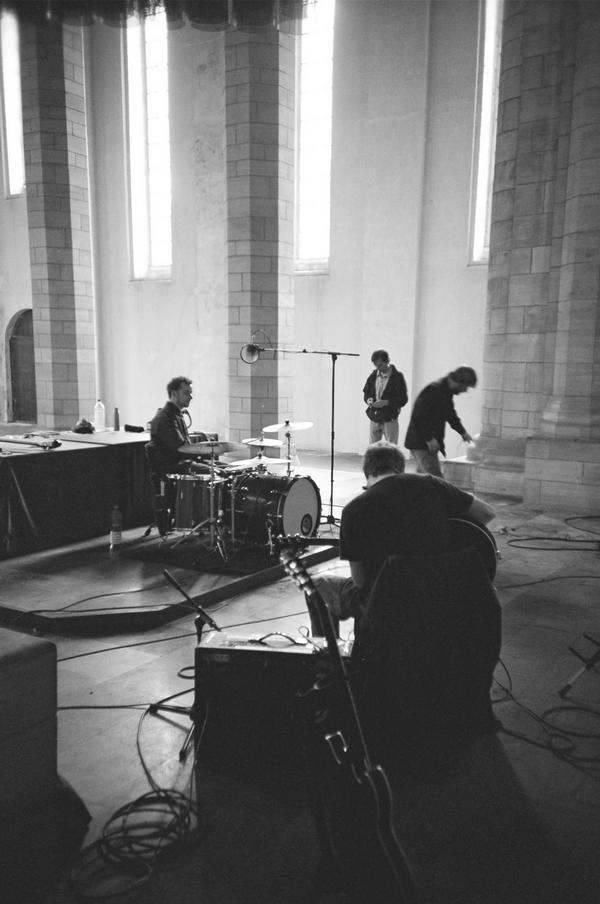
Jimi: This was recorded in a closed-down Benedictine monastery near the disused school where we were staying and doing the bulk of the recording. I believe the last Monk was in the monastery in 1993. They closed it, and think it’s going to be turned into flats. We went there and did the old whistle test, clapped our hands, and there was this cavernous sound. We had this track that we hadn’t yet recorded, which was very hushed. It just came together. We asked if we could do it, and in 3 hours, we came out with the song. No time at all, as opposed to laboring over it.
Andy: We spent seven weeks in Fort Augustus in Scotland, and we kept hearing about this disused abbey. It was Ben Hillier who suggested we check it out. Once we had decided to record a song in there, we took all our gear down and did it. It was a real lesson in discipline, as we were governed more by what we couldn’t play than what we could.
Jez: You had to tune into the room. It wasn’t like being in a studio. Because there was so much reverb. You had to play with complete self-control. The velocity of our playing had to be reduced to about a third of what it normally is, because if you played something, you heard it coming back at you 30 seconds later.
Andy: The monastery was like another instrument. You just heard the reverb swirling about your head. You’d sit back on it and just be playing in a trance because you could literally see the music above you. We had microphones everywhere, picking up everything. It was just a really special day. We finished the album that day. This was the last track we recorded.
Jez: 8 hours in total it took, which, believe me, is short for us. Eight hours total, mixed, everything.
Andy: We got back to the school where we had the studio set up, and we listened back to it and just thought “fucking hell,” the hairs on the back of your neck were standing up, wow!
Jimi: Ambition is about how ambition and desire, and aspirations could turn into something more selfish and obsessive.
Andy: It’s about not letting ambition rule your life. It’s talking about the fact that love isn’t perfect, a drug isn’t perfect, that sometimes you have to sit back and smell the roses and not let things like a career rule your life. Looking back, Ambition is one of my favourites from the album.
Jez: Ben Hillier took the picture of us recording inside the monastery, which is now the photo you see on the cover of the new Best of. We were trying to do something like the Cowboy Junkies’ “The Trinity Session”. Almost as soon as we’d finished recording this track, the monastery got pulled down and made into flats, which is a real twist on what the album is about.
The B-sides
45
Jez: We started that one in Manchester around 2000. For whatever reason, I don’t think we attempted it during sessions for The Last Broadcast. We attempted it again in Ireland with William Orbit, which didn’t turn out, so we went back to the original recording, and we managed to nail it. It’s above our love for the 45 single.
Andy: I was reading the Bill Drummond book ’45’ at the time, so I might have pinched the title from that. It didn’t really fit on the record, but we liked the track, it was something different for us at the time.
Jez: We never do any songs with the intention of it being a B-side. We’re not saying it’s a lesser song because it didn’t make the album. It’s more a case of does the track fit on the album we’re working on at the time. So naturally, the tracks that don’t make it on the album will make it onto the flipside of a single. I think we’ve done some great b-sides over the years. For example. Lean into the Wind. A track we love, but it just didn’t quite fit into what we were trying to do with the Constellations album. But we’re glad it got its own release and that fans like it. It just didn’t feel right when we got to sequencing the album.
At The Tower
Andy: We recorded that in the disused school in Fort Augustus. The big influence on that track was that we were really getting into Lee Hazlewood. It’s a funny one that as I was just thinking about it recently. Well over 20 years ago, we were sitting one night in a pub when the idea of having Nancy Sinatra do the vocals on that track was mentioned. As she previously sang on a Lee Hazlewood track. The connection was a few years prior, in LA, we met Morrissey, who came to one of our gigs in LA. Morrissey knows Nancy, so he put in a word for us. We got the track to Nancy, who did the vocals for it.
Jez: I just recently found that vocal. To be honest, we finished that track with our own vocals, then moved on to other songs for Some Cities, so we completely forgot about Nancy’s vocals, Like I said, I just came across that recording with Nancy Sinatra’s vocal. You never know, we may put that out someday.
11 Miles Out
Jimi: Miles Baddeley, a friend of my Dad, ran a vintage boutique in Manchester, called ’11 Miles Out’. That’s where the title came from.
Jez: I had that riff for ages. We recorded the track at Parr Street in Liverpool.
Andy: It was Ben Hillier who pushed us with this. He wanted us to speed up the tempo. Again, he captured us playing live more than we had done previously up to that point. 11 Miles Out was born out of the live room. We’ve enjoyed playing that one live in the past. Maybe we should look at it again. In fact, Jake Evans recently suggested we should have a go at it live.
Son of A Builder
Jez: That’s autobiographical on Jimi’s part. His Dad was a builder. John Cooper Clark was a big influence on that track. It was written in a rehearsal room in Stockport called The Green House. It was a tiny room, with a window where you could see the planes coming into land at Manchester Airport. It was a bit of a depressing place, all gray walls. So it was a bit of colour to see these planes from all over the world coming into Manchester. Despite the depressing room, it was a productive space for us. We wrote quite a lot in there.
Andy: We wrote Caught By The River in there. Despite the depressing surroundings, that room was really good for us.
Black Circus of Prague
Jez: Jimi brought that one in. We didn’t do much besides maybe a few overdubs from what Jimi brought in.
Andy: I liked the title.
Jez: It’s a bit of a mad one that, which we liked. Something completely different. It’s good to mix it up. I can speak for all of us, we hate to be predictable. Ideas like that keep it fun for us. We like to surprise people with our music, as we did with this and even the lead single Black and White Town. Which didn’t sound like Doves at the time. That’s when we delve deeper into the idea and run with it. I’d like to think our music has surprised people over the years.
Andy: Even now, we’re working on a track that sounds different to us. Almost like The Doors. We’re not trying to sound like The Doors; it’s just a different approach that keeps it interesting for us. Hopefully that makes it interesting for the listener.
___
A huge thank you to Tim Dorrell and Gibbo for providing some of the 2005 music press interviews used for this piece.
Further Reading:
So, Here We Are: Best Of Doves Track By Track Guide
How We Made Constellations For The Lonely
How We Made The Universal Want